

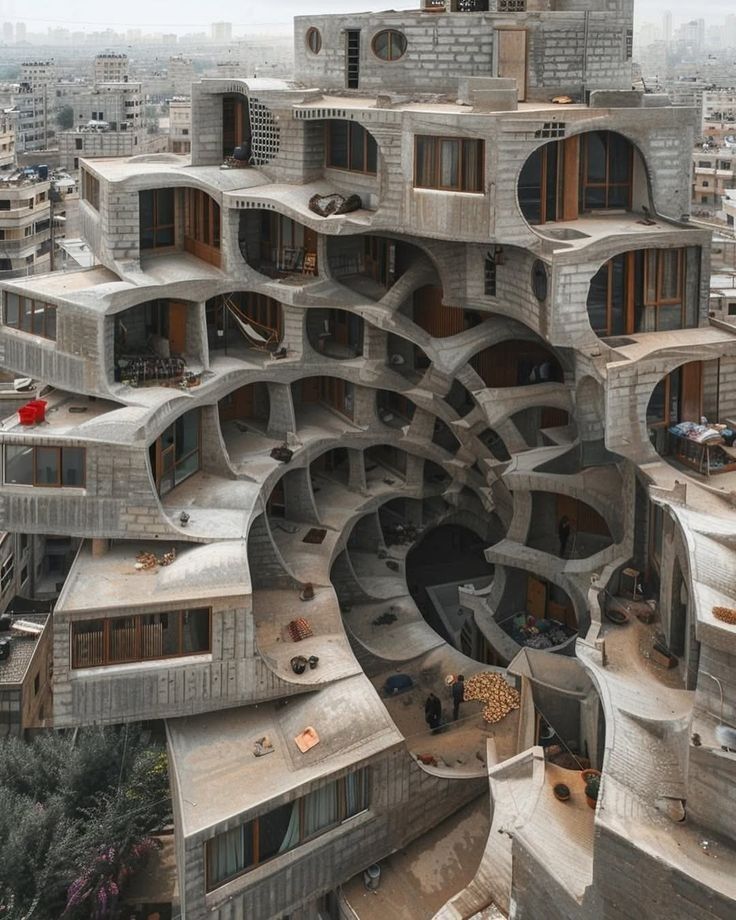
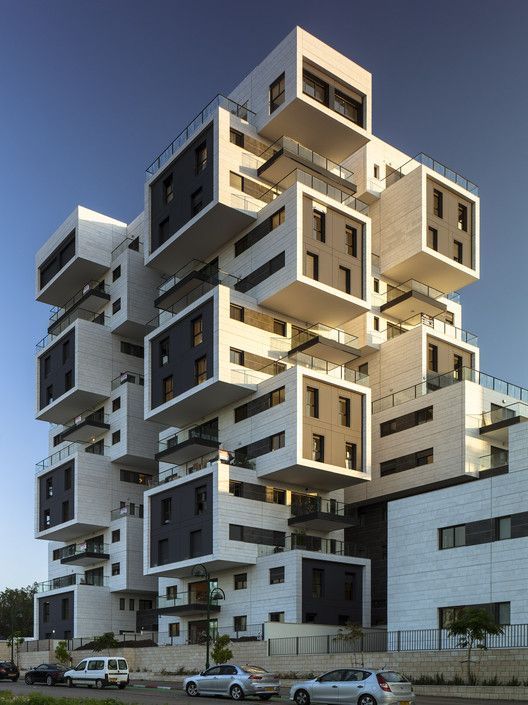
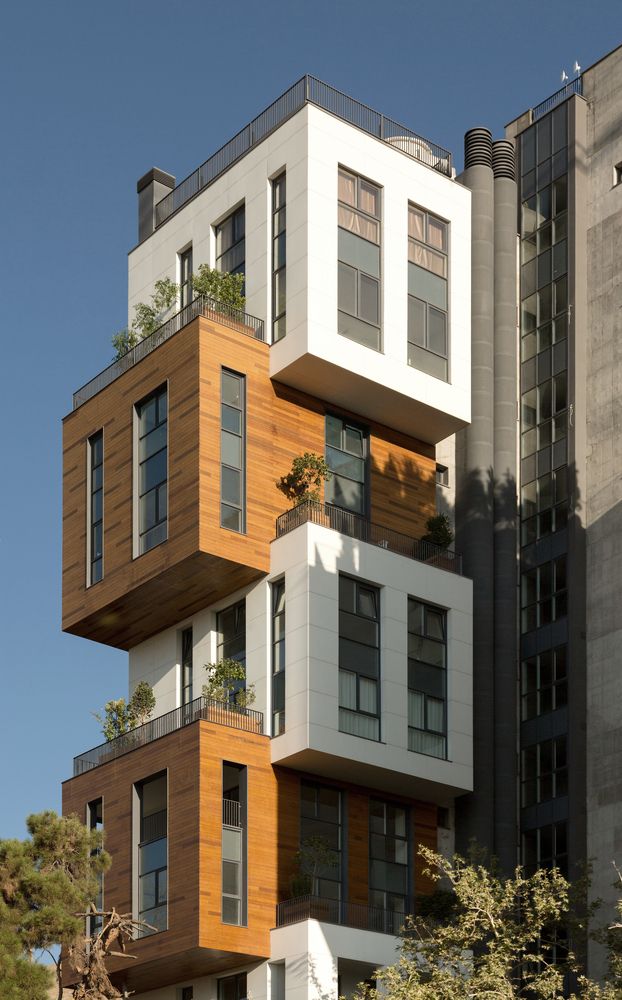
Architecture is one of the oldest and most important professions in human civilization. It is the art, science, and practice of designing and constructing buildings and other physical structures. Architecture is not limited to creating beautiful buildings; it also focuses on making spaces functional, safe, comfortable, sustainable, and suitable for the people who use them. Every building, whether it is a home, school, hospital, office, shopping mall, temple, or airport, begins with an architectural concept. Architecture serves as the bridge between imagination and reality, turning ideas into structures that meet human needs.
A building is much more than walls, doors, and a roof. It is a space where people live, work, learn, worship, and interact. Architecture helps ensure that these spaces are designed effectively to improve the quality of life of their users. Through careful planning, creativity, and technical expertise, architects create environments that are aesthetically pleasing, structurally sound, and environmentally responsible.
Understanding Architecture
The word “architecture” comes from the Latin and Greek words meaning “chief builder.” Historically, architects were responsible for designing and overseeing the construction of important structures such as temples, palaces, forts, and public buildings. Today, architecture has evolved into a highly specialized profession that combines art, engineering, technology, environmental science, and project management.
Architecture involves the planning and design of buildings from the initial concept stage to the final construction stage. Architects consider various factors such as the client’s requirements, available space, site conditions, climate, budget, building materials, safety regulations, and environmental impact. Their goal is to create buildings that are functional, durable, attractive, and efficient.
A successful architectural design balances three fundamental principles:
- Functionality – The building should serve its intended purpose effectively.
- Strength and Stability – The building should be safe and structurally sound.
- Aesthetics – The building should be visually appealing and harmonious with its surroundings.
The Role of Architecture in Building Construction
Architecture plays a crucial role throughout the entire building process. It provides a clear vision and roadmap for transforming an idea into a completed structure. Without proper architectural planning, construction projects can face design flaws, budget overruns, safety issues, and operational inefficiencies.
1. Understanding Client Requirements
The first step in architecture is understanding the client’s needs and expectations. Architects conduct discussions with clients to gather information about the building’s purpose, desired style, space requirements, budget, and future needs.
For example, when designing a residential house, an architect may ask questions such as:
- How many family members will live in the house?
- How many bedrooms and bathrooms are required?
- Is there a need for a home office or study room?
- What architectural style is preferred?
- What is the available budget?
This information helps the architect develop a design that meets the client’s objectives while remaining practical and cost-effective.
2. Site Analysis and Planning
Before designing a building, architects carefully study the site where the building will be constructed. Site analysis includes examining:
- Topography and land conditions
- Soil characteristics
- Sunlight direction
- Wind patterns
- Rainfall and drainage
- Accessibility
- Surrounding structures
- Local building regulations
Understanding these factors allows architects to position the building correctly and make the best use of natural resources. Proper site planning improves comfort, energy efficiency, and long-term performance.
3. Concept Development
Once the site and client requirements are understood, architects begin creating design concepts. This stage involves brainstorming ideas and developing preliminary sketches that illustrate the building’s form, layout, and appearance.
Concept development is where creativity plays a significant role. Architects explore different possibilities while ensuring that the design remains practical and functional. The concept serves as the foundation for the entire project and guides all future design decisions.
4. Space Planning
One of the most important aspects of architecture is space planning. Architects organize rooms and spaces in a way that maximizes efficiency, comfort, and convenience.
Good space planning ensures:
- Smooth movement between rooms
- Proper furniture placement
- Efficient use of available area
- Adequate privacy
- Comfortable living and working environments
For example, in a residential building, bedrooms are typically placed in quieter areas, while living rooms and dining spaces are located near common activity zones. Proper space planning significantly enhances the usability of a building.
5. Preparing Architectural Drawings
Architectural drawings are essential documents used during construction. These drawings communicate the architect’s vision to engineers, contractors, and builders.
Common architectural drawings include:
- Floor plans
- Elevations
- Sections
- Site plans
- Working drawings
- Detail drawings
These drawings provide precise information about dimensions, materials, structural components, doors, windows, and other building elements. Accurate drawings reduce confusion and minimize construction errors.
6. Coordination with Engineers
Modern buildings require collaboration between architects and various engineering professionals. Architects coordinate with:
- Structural engineers
- Electrical engineers
- Mechanical engineers
- Plumbing engineers
- HVAC specialists
- Fire safety consultants
This teamwork ensures that all building systems function efficiently and safely. Architects integrate these technical requirements into the overall design while maintaining aesthetics and functionality.
7. Ensuring Structural Safety
Safety is a primary concern in architecture. Architects work closely with structural engineers to ensure that buildings can withstand various loads and environmental conditions.
The design must account for:
- Dead loads
- Live loads
- Wind loads
- Earthquake forces
- Rain and water pressure
A well-designed building protects occupants and maintains structural integrity throughout its lifespan.
8. Compliance with Building Regulations
Every construction project must comply with local building codes and regulations. These regulations address safety, accessibility, fire protection, environmental standards, and land-use requirements.
Architects ensure that the design follows all applicable rules and obtains necessary approvals from government authorities. Compliance helps prevent legal issues and ensures public safety.
How Architecture Improves Building Functionality
Architecture significantly influences how well a building serves its purpose. Functional design enhances comfort, productivity, and user satisfaction.
Efficient Circulation
Good architecture creates logical movement paths throughout a building. Proper circulation allows occupants to move comfortably between spaces without confusion or congestion.
Natural Lighting
Architects carefully position windows, skylights, and openings to maximize natural daylight. Natural lighting:
- Reduces electricity consumption
- Improves mood and well-being
- Enhances productivity
- Creates pleasant interiors
Ventilation
Proper ventilation ensures a continuous flow of fresh air. Architects design buildings to take advantage of natural airflow, reducing dependence on mechanical cooling systems.
Accessibility
Modern architecture promotes accessibility for all users, including individuals with disabilities. Features such as ramps, elevators, wide corridors, and accessible restrooms make buildings inclusive and user-friendly.
The Aesthetic Importance of Architecture
Architecture is often considered a form of art because it shapes the visual character of buildings and cities. Attractive buildings contribute to cultural identity and create memorable experiences.
Architects use various design elements such as:
- Shape and form
- Color
- Texture
- Materials
- Proportion
- Balance
- Symmetry
These elements help create visually appealing structures that inspire and enrich people’s lives.
A well-designed building can become a landmark and symbolize the values and aspirations of a community. Famous architectural masterpieces around the world demonstrate how architecture combines beauty with functionality.
Sustainable Architecture and Environmental Responsibility
In recent years, sustainability has become a major focus of architecture. Sustainable architecture aims to minimize environmental impact while improving building performance.
Architects achieve sustainability through:
Energy Efficiency
Design strategies include:
- Proper building orientation
- High-performance insulation
- Energy-efficient lighting
- Solar energy systems
- Smart building technologies
Water Conservation
Architects incorporate:
- Rainwater harvesting systems
- Water-efficient fixtures
- Greywater recycling
- Landscape irrigation management
Sustainable Materials
Environmentally friendly materials help reduce carbon emissions and resource consumption. Examples include:
- Recycled materials
- Bamboo
- Certified wood products
- Low-emission finishes
Green Spaces
Landscaping and green roofs improve air quality, reduce heat buildup, and enhance biodiversity.
Sustainable architecture benefits both the environment and building owners by reducing operating costs and improving long-term value.
Cost Management Through Architecture
Many people assume that architecture increases construction costs. In reality, good architectural planning often saves money by preventing costly mistakes and improving efficiency.
Architects help control costs by:
- Optimizing building layouts
- Selecting appropriate materials
- Reducing construction waste
- Identifying potential issues early
- Improving energy performance
A carefully designed building can achieve better results within the available budget while reducing future maintenance expenses.
Architecture and Human Well-Being
Architecture directly affects how people feel and interact with their surroundings. Well-designed spaces promote comfort, health, and happiness.
Research shows that building design influences:
- Productivity
- Concentration
- Mental health
- Physical comfort
- Social interaction
For example, hospitals with natural lighting and pleasant views can contribute to patient recovery. Schools with well-designed learning environments can improve educational outcomes. Offices with comfortable layouts can enhance employee satisfaction and productivity.
The Construction Phase
Architecture remains important even after construction begins. Architects often supervise construction activities to ensure that the project follows approved drawings and specifications.
During construction, architects:
- Review contractor work
- Conduct site inspections
- Resolve design issues
- Approve materials
- Coordinate with consultants
- Ensure quality standards
Their involvement helps maintain design integrity and ensures successful project completion.
The Future of Architecture
Architecture continues to evolve with advancements in technology and changing societal needs. Modern architects use tools such as:
- Building Information Modeling (BIM)
- 3D visualization
- Virtual reality
- Artificial intelligence
- Sustainable construction technologies
These innovations improve design accuracy, project coordination, and construction efficiency. Future architecture will focus even more on sustainability, resilience, smart buildings, and human-centered design.
Conclusion
Architecture is far more than designing attractive buildings. It is a comprehensive discipline that combines creativity, technical knowledge, engineering principles, and environmental responsibility to create spaces that enhance human life. Architecture helps transform ideas into functional, safe, efficient, and beautiful buildings by guiding every stage of the construction process—from planning and design to execution and maintenance.
Through site analysis, space planning, structural coordination, sustainability strategies, and aesthetic design, architects ensure that buildings meet the needs of their users while respecting environmental and economic considerations. Whether designing a small residence or a large commercial complex, architecture provides the foundation for successful construction and long-term building performance.
In essence, architecture is the blueprint of civilization. It shapes the places where people live, work, learn, and grow, making it one of the most influential professions in creating a better built environment for present and future generations.